
Integrating Form, Function, and Brand Expression
In modern hospitality interiors, cabinetry and joinery do far more than provide storage or structure — they define atmosphere, guide flow, and reinforce brand identity. At Hicks Furniture, craftsmanship is paired with architectural integration, ensuring that every millimetre of fitted joinery serves a purpose, aesthetically and operationally.
From hotel receptions to restaurant bars and guest suites, well-designed joinery supports not only the look and feel of a space but also its efficiency, longevity, and profitability.
The Architecture of Integration
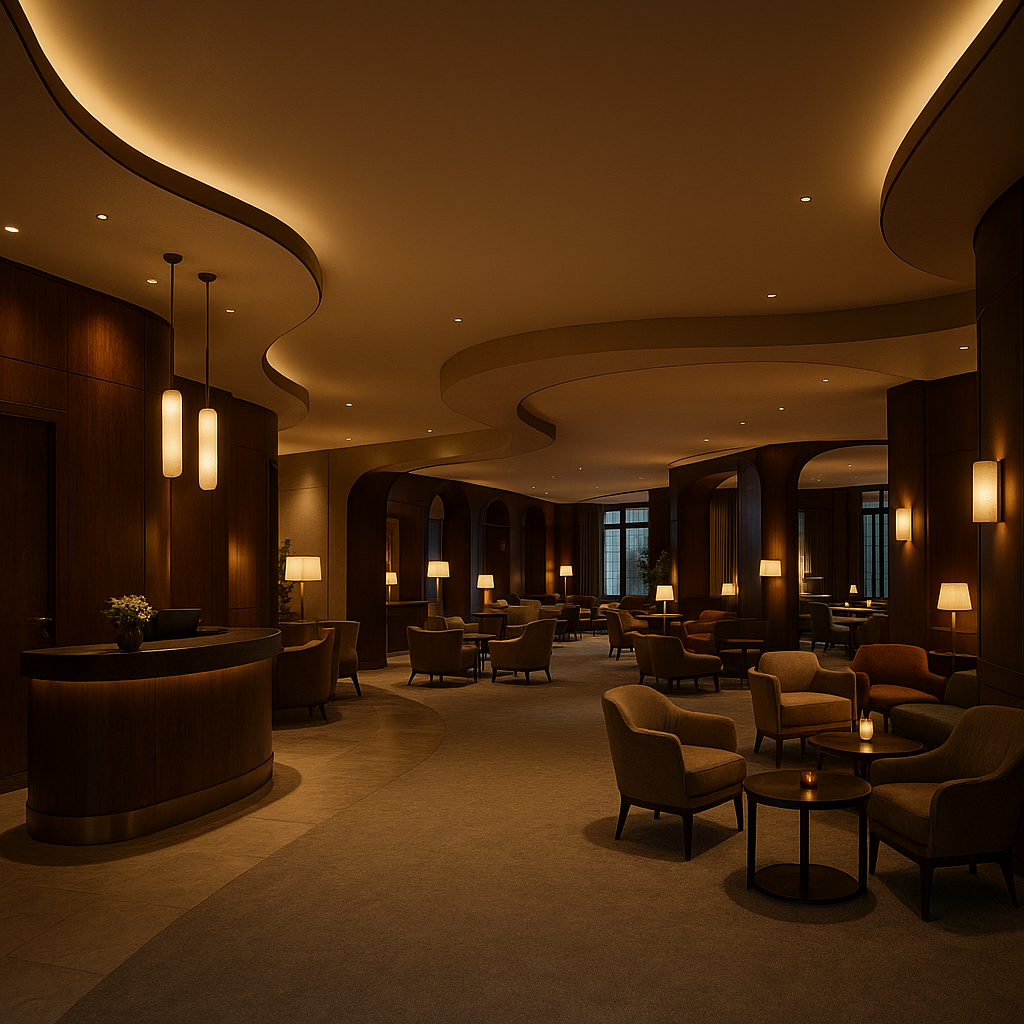
Effective hospitality design requires seamless coordination between interior architecture and furniture manufacture. When joinery is planned early in the design process, it becomes a structural element — not an afterthought. Reception desks align with lighting plans, wall panelling integrates acoustic materials, and built-in cabinetry conceals service zones while maintaining visual unity.
At Hicks Furniture, joinery is designed to fit the space, not just fill it. Every project begins with architectural drawings and 3D coordination, ensuring millwork aligns perfectly with mechanical systems, finishes, and flow.
Space Optimization and Operational Flow
In hospitality settings, every square metre has commercial value. Joinery and cabinetry, when designed correctly, maximize efficiency without compromising aesthetics.
Bars conceal refrigeration and storage while keeping service movement fluid. Guestroom wardrobes integrate lighting, mini-bars, and safes. Wall cladding hides access panels, cables, and ductwork behind precision detailing.
A 2023 study in Building and Environment found that integrated millwork solutions improved operational efficiency and maintenance access by up to 30% in commercial interiors (Wang et al., 2023). Hicks Furniture applies the same principle to hospitality projects — crafting spaces that work as beautifully as they look.
Material Selection and Durability
Hospitality environments demand materials that withstand constant use, cleaning, and environmental variation. Hicks Furniture uses contract-grade substrates, solid hardwood edging, and moisture-resistant laminates or veneers sourced from FSC-certified suppliers.
Finishes are selected for both aesthetics and performance — low-VOC lacquers, antimicrobial coatings, and fire-rated veneers where required. The goal is to deliver timeless appeal with functional resilience, aligning each specification with the project’s traffic levels and design intent.
Joinery as Brand Language
Every piece of joinery tells a story about the brand it represents. Clean, minimalist cabinetry communicates modern confidence; rich, detailed millwork conveys heritage and warmth. For hospitality operators, this storytelling value is critical — it differentiates the guest experience.
Hicks Furniture works directly with design teams to interpret brand identity through materials and detailing. A hotel that celebrates Irish craftsmanship might feature exposed oak grain or brass inlays, while a luxury urban bar may prefer dark walnut, matte black steel, and illuminated shelving. In both, joinery becomes an expression of brand DNA.
Coordination Reduces Risk
Late-stage coordination is one of the most common causes of cost overruns in hospitality projects. By engaging joinery specialists early, conflicts in clearances, materials, or fire compliance can be resolved long before fabrication.
A 2022 Journal of Construction Engineering and Management report found that early manufacturer involvement reduced project variation orders by 18% and improved client satisfaction metrics by over 25% (Kim & Park, 2022). Hicks Furniture applies this integrated workflow model to all major fit-out projects, ensuring predictability and precision from concept to completion.
Modular Efficiency and Sustainability
Modern joinery design is evolving towards modularity — systems that can be replaced, repaired, or adapted without full reconstruction. Hicks Furniture incorporates modular construction principles, allowing cabinetry to evolve with future refurbishments.
This approach reduces waste and supports sustainability goals in line with BREEAM and LEED frameworks. Components are CNC-cut for accuracy, minimizing offcuts and maximizing material yield. The result is sustainable craftsmanship that enhances operational agility.
A Partner in Precision
For over 130 years, Hicks Furniture has collaborated with Ireland’s leading architects and developers to deliver joinery that performs. Our in-house production facility in Dublin enables us to control every step — design detailing, CNC machining, hand finishing, and installation.
Each project is managed under a single point of accountability, ensuring seamless execution and consistent quality across all phases. Hicks joinery isn’t just built; it’s integrated, efficient, and purpose-driven.
References
Kim, D., & Park, H. (2022). Early contractor involvement and its impact on cost and schedule performance. Journal of Construction Engineering and Management, 148(7), 04022065. https://doi.org/10.1061/(ASCE)CO.1943-7862.0002349
Wang, L., Lee, J., & Chien, S. (2023). Optimizing commercial interior performance through integrated millwork systems. Building and Environment, 237, 110524. https://doi.org/10.1016/j.buildenv.2023.110524